
Prevention of Kidney Diseases: Tips and Recommendations
Kidney diseases are among the most widespread pathologies worldwide today. Due to environmental pollution, changes in diet and lifestyle, many people face problems related to the urinary system. However, many kidney diseases can be prevented by following simple recommendations and leading a healthy lifestyle.
Importance of Kidneys for the Body
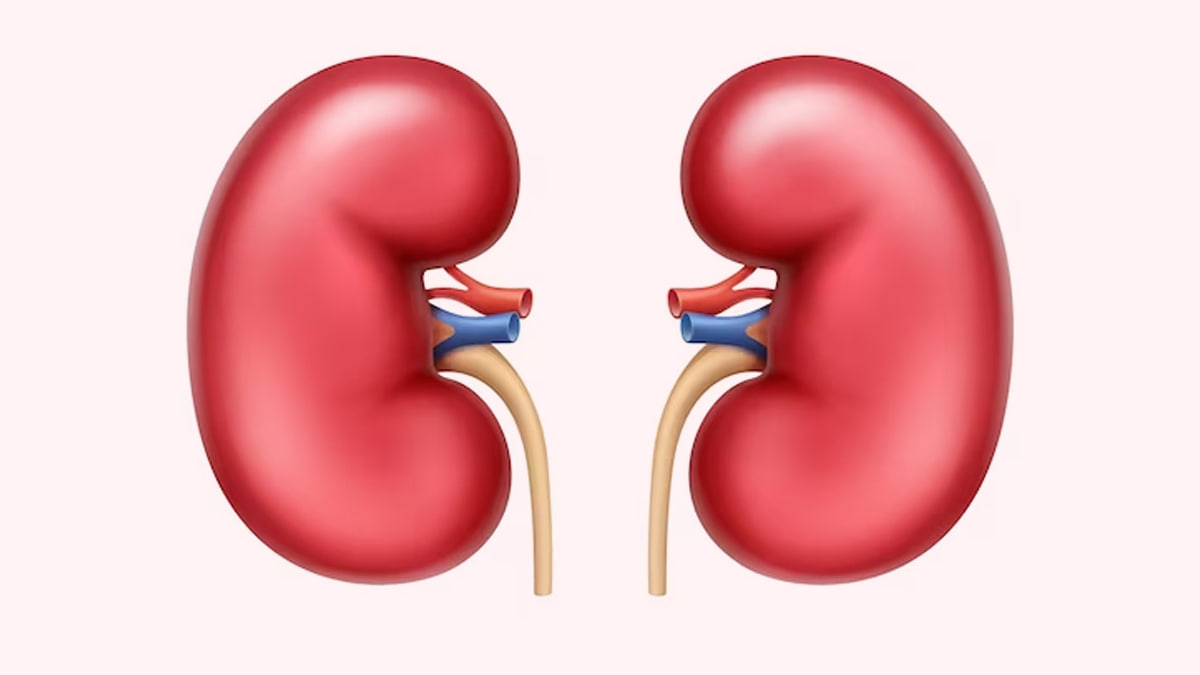
The kidneys are paired organs that perform several vital functions including filtering blood, removing toxins and waste from the body, regulating water-salt balance, and controlling blood pressure. Additionally, the kidneys produce important hormones such as renin and erythropoietin, which regulate blood pressure and stimulate the production of red blood cells, respectively.
However, kidneys are susceptible to many diseases such as chronic kidney failure, nephritis, kidney stones, and others. Most often, these diseases are asymptomatic in the early stages, making diagnosis difficult. Therefore, prevention of kidney diseases is very important for maintaining health.
Main Risk Factors for Kidney Diseases
• High blood pressure (hypertension): Constant high blood pressure can damage kidney blood vessels and impair their function.
• Diabetes mellitus: High blood glucose levels gradually destroy kidney capillaries.
• Excess weight and obesity: Increase the load on the kidneys and may lead to their damage.
• Poor nutrition and insufficient fluid intake: Disrupt the water-salt balance and increase the risk of kidney stones.
• Smoking and alcohol consumption: Toxic substances negatively affect kidney tissues.
• Long-term use of certain medications: Especially painkillers and antibiotics, which may harm the kidneys.
Recommendations for Prevention of Kidney Diseases
1. Drink enough water
Drinking about 1.5–2 liters of clean water per day is important for kidney function. Water helps remove toxins and prevents the formation of kidney stones. Remember, tea, coffee, and carbonated drinks cannot replace water. Excess caffeine can cause dehydration and increase kidney load.
2. Monitor blood pressure
Hypertension is a leading cause of kidney disease. Regular blood pressure checks, reducing salt intake, quitting harmful habits, and increasing physical activity help reduce risks.
3. Control blood sugar levels
People with diabetes or prediabetes should monitor their blood glucose levels. A diet low in sugar and carbohydrates, combined with regular physical activity, protects the kidneys from damage.
4. Maintain a healthy weight
Excess weight increases the risk of hypertension and diabetes, which in turn increases kidney workload. Maintaining a normal body mass index through proper nutrition and regular exercise is recommended. Even slight weight loss significantly reduces the burden on the kidneys.
5. Eat properly
• Reduce salt intake (excess salt leads to fluid retention and increased blood pressure)
• Moderate protein consumption (excess protein increases kidney load)
• Include antioxidant-rich foods (fruits, vegetables) to protect kidney tissues
• Avoid fatty, fried, and heavily processed foods
6. Quit smoking and reduce alcohol consumption
Smoking narrows blood vessels, reducing blood flow to the kidneys and worsening their function. Alcohol dehydrates the body and increases the risk of inflammatory processes in the kidneys. Complete cessation of smoking and moderate alcohol intake help maintain kidney health.
7. Stay physically active
Regular physical activity such as walking, swimming, or yoga improves overall health by helping control weight, lowering blood pressure, and enhancing blood circulation, which benefits kidney function.
8. Be cautious with nephrotoxic drugs
Long-term use of some medications (e.g., ibuprofen, diclofenac) can adversely affect the kidneys. Consult a doctor before starting prolonged treatment with such drugs.
When to See a Doctor?
Annual blood and urine tests and general health check-ups help detect kidney problems early. Even without obvious symptoms, consult a doctor if you notice:
• Swelling of the face, hands, or feet
• Persistent fatigue and weakness
• High blood pressure
• Changes in urine color or volume
• Pain in the lower back
Conclusion
Preventing kidney diseases requires a comprehensive approach: healthy lifestyle, proper nutrition, regular physical activity, and avoidance of harmful habits. Following these simple recommendations can help you avoid many serious illnesses and improve your quality of life.
Remember: early diagnosis and timely treatment are key to healthy kidneys!
Controlling blood pressure, blood sugar, and body weight are essential for a healthy life.
Dilshod Sapaev,
Head of the Nephrology Department, Khorezm Regional Multidisciplinary Medical Center
Yurak-qon tomir kasalliklarining oldini olishda jismoniy faollikning ahamiyati
Xonqa tumanida tibbiy ko‘rik tashkil qilindi
Xiva tumanida tibbiy ko‘rik tashkil qilindi
Yakka tartibdagi tadbirkorlar va oʻzini oʻzi band qilgan shaxslar uchun qoʻshimcha soliq imtiyozlari berilmoqda
Halol mehnat – xotirjam hayot va farovon jamiyat
Tadbirkor – elga madadkor
Mehnat shartnomasi – ijtimoiy himoyangiz kafolati